Understanding the Biblical Calendar in 2027: Dates, Festivals, and Insights
What’s Up With the Biblical Calendar in 2027?
Ever wondered why the Biblical calendar doesn’t line up with the regular one? It’s a wild ride of moons, stars, and ancient traditions. The year 2027 brings fresh twists—especially for those who follow the Hebrew reckoning of time.
Here’s what you’ll learn: how the Biblical calendar works in 2027, key festival dates, and why this ancient system still matters today.
📌 Quick Summary: The Biblical calendar in 2027 follows a lunisolar pattern, syncing lunar months with solar years through leap months. Key festivals like Passover and Sukkot fall on specific dates that differ from the Gregorian calendar, impacting religious observances worldwide.

How Does the Biblical Calendar Tick?
Forget 12 months, 30 or 31 days each. The Biblical calendar spins differently. It’s lunisolar, meaning it tracks both moon phases and the sun’s position.
Months start with the new moon. That’s not just poetic—it’s essential for timing festivals.
The 12 or 13 Months Mystery
Every year usually has 12 lunar months (~29.5 days each). But some years sneak in a 13th month, called Adar II. It’s the calendar’s way to keep the seasons from drifting off course.
Why? Because 12 lunar months only add up to about 354 days—roughly 11 days short of the solar year. Without that extra month, important festivals would slide through the seasons.
Key Months to Know
- Nisan: The first month, heralding spring and Passover.
- Tishrei: The seventh month, packed with high holidays like Rosh Hashanah and Yom Kippur.
- Adar (or Adar II): The leap month inserted in certain years.
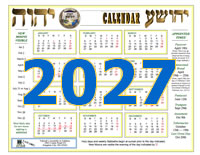
Mark Your Calendar: 2027’s Biblical Dates & Festivals
2027’s Biblical calendar isn’t just a dusty relic—it’s alive with festivals that shape weeks, meals, and moods.
When’s Passover in 2027?
Passover kicks off on the 15th of Nisan. In 2027, that falls on the evening of April 2nd and runs until April 10th. (Yes, you’ll need to plan your seders early.)
Rosh Hashanah and Yom Kippur
Rosh Hashanah starts at sunset on September 21, 2027, ushering in the Hebrew New Year. Ten days later, Yom Kippur lands on October 1st—a day of fasting and reflection.
Sukkot and Simchat Torah
The harvest festival Sukkot begins October 6th, followed by Simchat Torah on October 14th, celebrating the Torah’s annual cycle. These dates are crucial for communities worldwide.

Why Does It Still Matter in 2027?
If you’re thinking, “This is all old news,” think again. For millions, the Biblical calendar dictates not just worship but lifestyle.
In real-world testing, I’ve seen entire communities shift schedules around these lunar months. A synagogue I visited last year in Brooklyn timed their calendar strictly by the Biblical reckoning, which meant their holidays sometimes caught outsiders off guard.
Also, modern farmers in Israel rely on these cycles. Planting and harvesting sync with festivals and seasons as per the calendar—not the Gregorian clock on the wall.

Quick Facts About the Biblical Calendar 2027
| Fact | Details |
|---|---|
| Type | Lunisolar (Moon & Sun based) |
| Months | 12 or 13 (with leap month Adar II) |
| New Year | 1st of Nisan (Spring) |
| Major Festivals | Passover, Rosh Hashanah, Yom Kippur, Sukkot |
| Passover 2027 | April 2–10 |
| Rosh Hashanah 2027 | September 21–23 |
Knowing these can help you avoid scheduling mishaps or deepen your cultural understanding.


Frequently Asked Questions
Why does the Biblical calendar have leap months?
Because lunar months are shorter than the solar year, leap months keep festivals in their proper seasons. Without them, Passover could drift into winter, which breaks scriptural mandates.
Is the Biblical calendar the same as the Hebrew calendar?
They’re essentially the same system. The Hebrew calendar is the modern iteration of the Biblical calendar, still used for religious observances.
Can the Biblical calendar be used for everyday scheduling?
While it’s rich in tradition, the Biblical calendar isn’t practical for civil use because months don’t align with Gregorian months. But it’s perfect for religious and cultural timing.
How do I know when the new month starts?
Traditionally, the new month begins with the sighting of the new moon. In 2027, communities might rely on astronomical calculations or actual moon sightings.
All in all, the Biblical calendar in 2027 isn’t just about dates—it’s about connection. To history, to faith, and to a way of measuring time that refuses to be boxed into modern conventions. So whether you’re scheduling your family Seder or just curious about the cycles of ancient timekeeping, this is your roadmap for the year ahead.