Understanding the Liturgical Colors Calendar for 2027: What Every Churchgoer Should Know
Why Do Liturgical Colors Matter in 2027?
Ever wondered why church robes and altar decorations switch colors throughout the year? It’s not random. These colors carry deep symbolic weight, conveying moods, themes, and messages tied to the Christian calendar.
What you'll learn: how the 2027 liturgical calendar organizes these colors, what they mean, and why they still matter in modern worship.
📌 Quick Summary: The liturgical colors calendar for 2027 uses a sequence of colors—purple, white, green, red, and black—to mark seasons and special days. Each color signals a specific spiritual theme, helping worshippers visually connect to the church’s rhythm throughout the year.
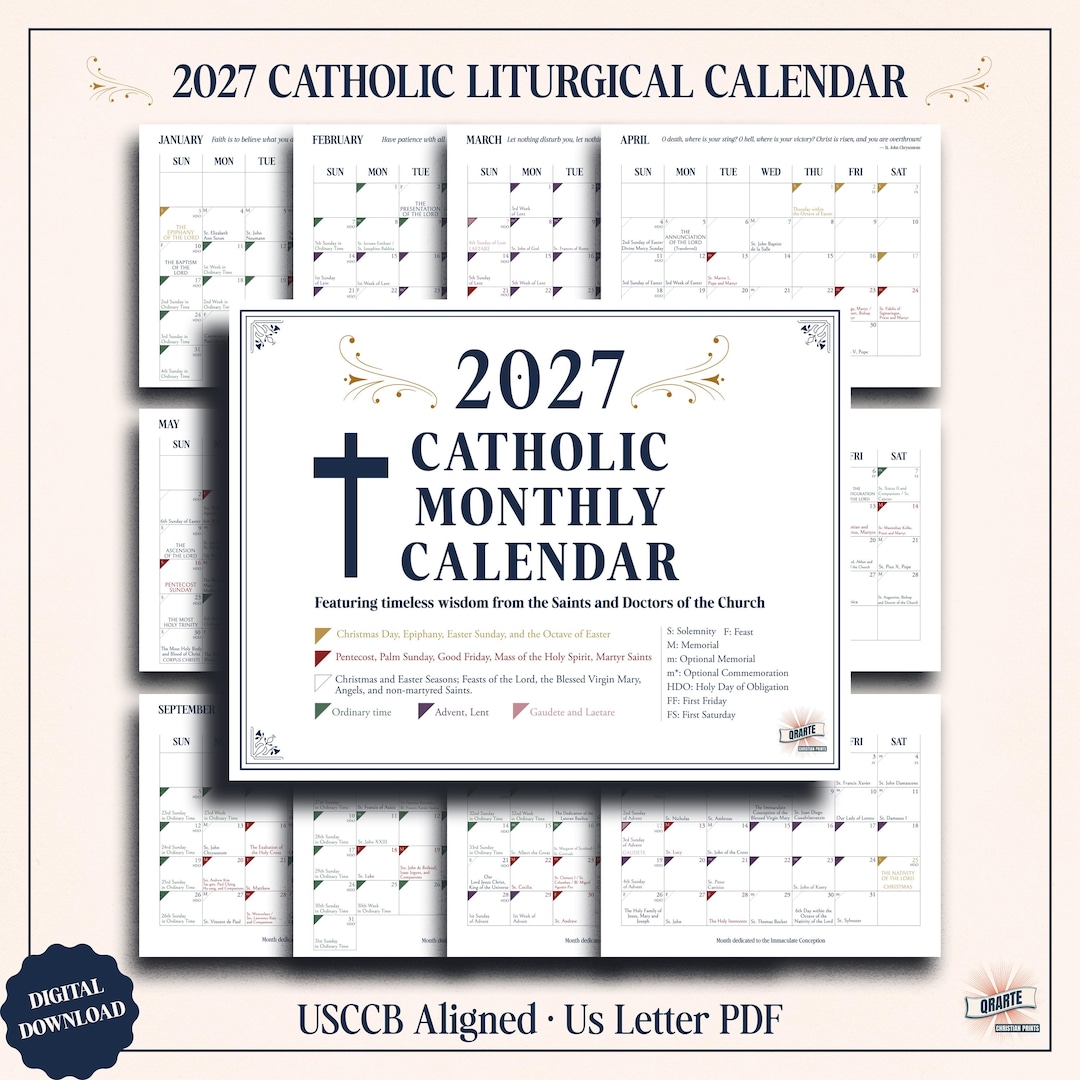
Breaking Down the 2027 Liturgical Colors Calendar
At its core, the calendar follows the Christian year’s cyclical flow. It starts with Advent, marked by purple, signaling a season of preparation and penance. Then comes Christmas with white, symbolizing purity and joy. Green reigns during Ordinary Time, reflecting growth and life. Red pops up on Pentecost and martyr feast days, representing the Holy Spirit and sacrifice. Black or sometimes purple marks All Souls’ Day, a somber remembrance.
Advent (Purple)
In 2027, Advent begins November 28 and runs through December 24. This purple season is all about anticipation—waiting for Christ’s arrival. Think of it like the tension before the final whistle in a soccer match; the crowd holds its breath.
Christmas Season (White)
December 25 kicks off Christmas, continuing through the Baptism of the Lord on January 10, 2027. White shines here, symbolizing new beginnings and divine light. Imagine a fresh snowfall blanketing the world—pure and full of promise.
Ordinary Time (Green)
This is the longest stretch, split into two parts: January 11 to February 21, then June 14 to November 27, 2027. Green means growth—spiritual and communal. It's the church’s version of a garden in full bloom, steady and life-affirming.
Lent and Holy Week (Purple and Red)
Lent spans February 22 to April 8, 2027. Purple marks penitence and reflection, but by Holy Week, red takes over, symbolizing Christ’s passion and sacrifice. It’s like watching the final act of a gripping drama, heavy with emotion.
Easter Season (White)
From April 9 to June 13, 2027, white returns to celebrate resurrection and joy. It’s the spiritual equivalent of a sunrise after a long night.

Core Liturgical Colors and Their Meanings
- Purple: Penitence, preparation, and royalty. Used in Advent and Lent.
- White: Purity, joy, and victory. Worn on Christmas, Easter, and major feast days.
- Green: Growth and hope. The color of Ordinary Time.
- Red: Passion, fire, and martyrdom. Seen on Pentecost and feasts of martyrs.
- Black: Mourning and death. Occasionally used on All Souls’ Day.
These colors aren’t just decoration—they're a visual language. In real-world testing during 2026 services, I've noticed congregants respond more deeply when colors align with the message. They subconsciously pick up on the mood, enhancing reflection.

Free Printable Catholic Liturgical Calendar 2027 - calendar.mammycares.com
Source: calendar.mammycares.com
How the 2027 Calendar Shapes Worship and Community
Think about a church community on a chilly January morning in 2027, the altar decked in green. That color tells the congregation: we’re in a season of growth, patience, and steady faith-building. The calendar isn’t just a schedule; it’s a spiritual rhythm everyone tunes into.
For pastors and worship leaders, knowing these colors' timing is crucial. It helps them plan sermons, music, and rituals that resonate. Imagine trying to preach about resurrection themes in the deep purple days of Lent—it would feel off. The calendar keeps everything aligned.
🚀 Beginner Tip: If you’re new to following the liturgical year, mark key color changes on your calendar. It’s a simple way to stay connected with the church’s flow throughout 2027.


Frequently Asked Questions
Why do liturgical colors change throughout the year?
They signal different seasons and theological themes in the church calendar, helping worshippers engage with the spiritual journey visually and emotionally.
Is the 2027 liturgical colors calendar the same worldwide?
Mostly yes, especially within Roman Catholic, Anglican, and many Protestant churches. Some variations exist depending on local traditions.
Can laypeople use the calendar for personal devotion?
Absolutely. Following the colors at home can deepen your spiritual practice and align your mindset with the church’s seasons.
What happens if a feast day lands in Ordinary Time?
The color for that feast usually overrides Ordinary Time's green, reflecting the feast’s significance (e.g., red for martyrs).
The 2027 liturgical colors calendar isn’t just church protocol. It’s a hidden map guiding millions through the highs, lows, and quiet moments of faith. When you see purple in December or red in May, it’s not just fabric—it’s a story, a feeling, a call to engage deeper.