Everything You Need to Know About the Gregorian Calendar in 2027: Dates, Structure, and What’s Ahead
Why 2027’s Gregorian Calendar Matters More Than You Think
Ever wondered why the calendar you glance at daily feels so predictable? Well, 2027’s Gregorian calendar holds some subtle quirks that can trip you up if you’re not paying attention.
This isn’t just about marking dates; it’s about understanding how time itself folds into our lives. In this article, you’ll get the lowdown on 2027’s calendar specifics, how the Gregorian system governs it, and practical tips to navigate the year smoothly.
📌 Quick Summary: The year 2027 follows the classic Gregorian calendar format with 365 days, not a leap year. Knowing its layout helps with everything from work deadlines to holiday planning and personal projects.
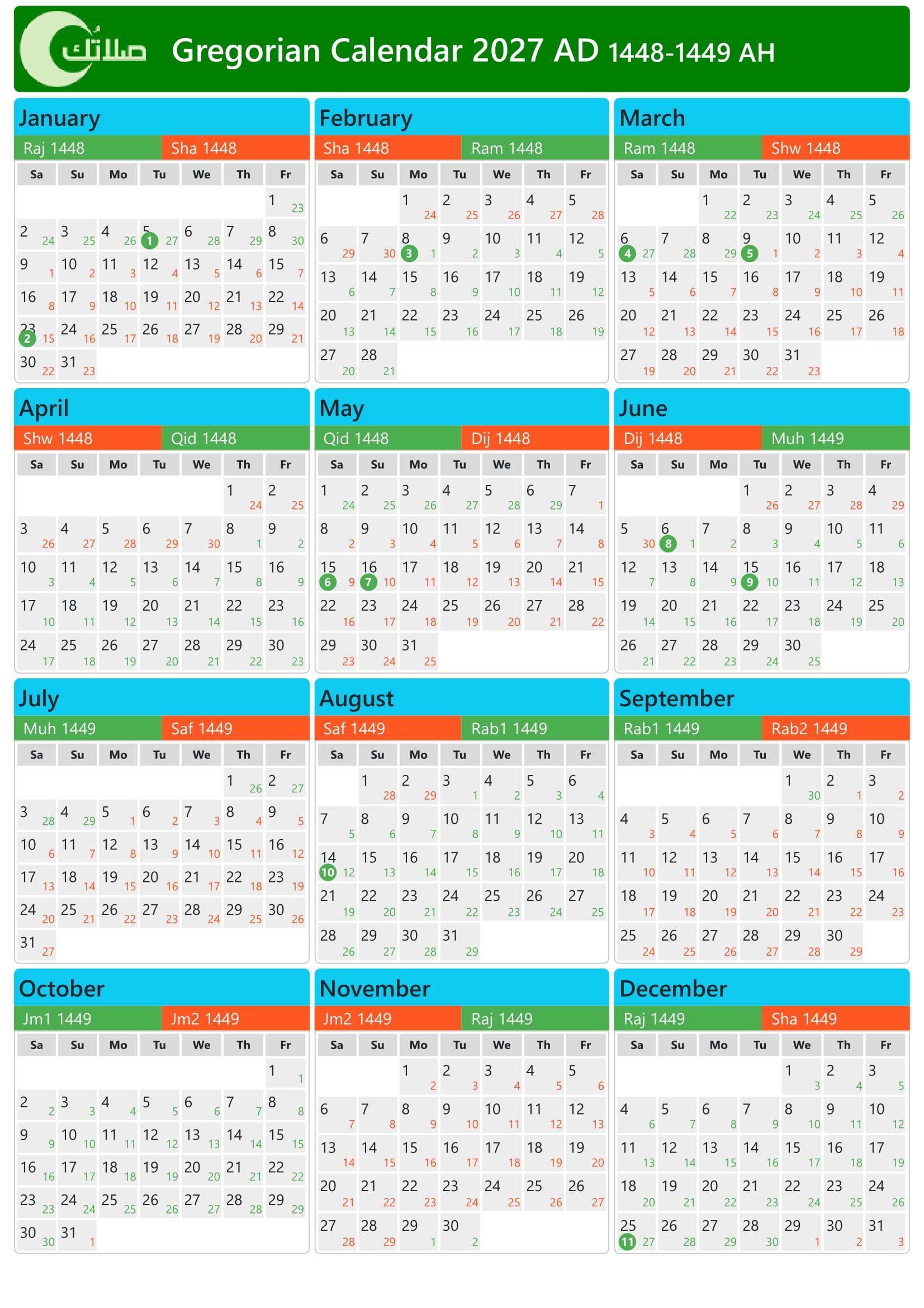
The Structure of the 2027 Gregorian Calendar
First off, 2027 is a plain old common year. That means it sticks to 365 days rather than 366. No February 29th to throw off your plans.
The year kicks off on a Friday, setting a unique rhythm for how weeks align with months.
Month Lengths and Key Dates
- January begins on a Friday and has 31 days.
- February has 28 days — no leap day this time.
- March, May, July, August, October, and December each boast 31 days.
- April, June, September, and November hold steady with 30 days.
This pattern isn’t new, but when your year starts on a Friday, it affects how weekends fall, especially around holidays and paydays.

How Weekdays Line Up in 2027
For anyone juggling work schedules or event planning, the way weekdays fall is crucial.
2027’s Friday start means that the first weekend hits on January 2-3. So, New Year’s Day lands on a Friday — a perfect kickoff for a long weekend vibe, if your job allows.
Keep in mind, this arrangement pushes most holidays into the middle of the week, which can split your workweek oddly.
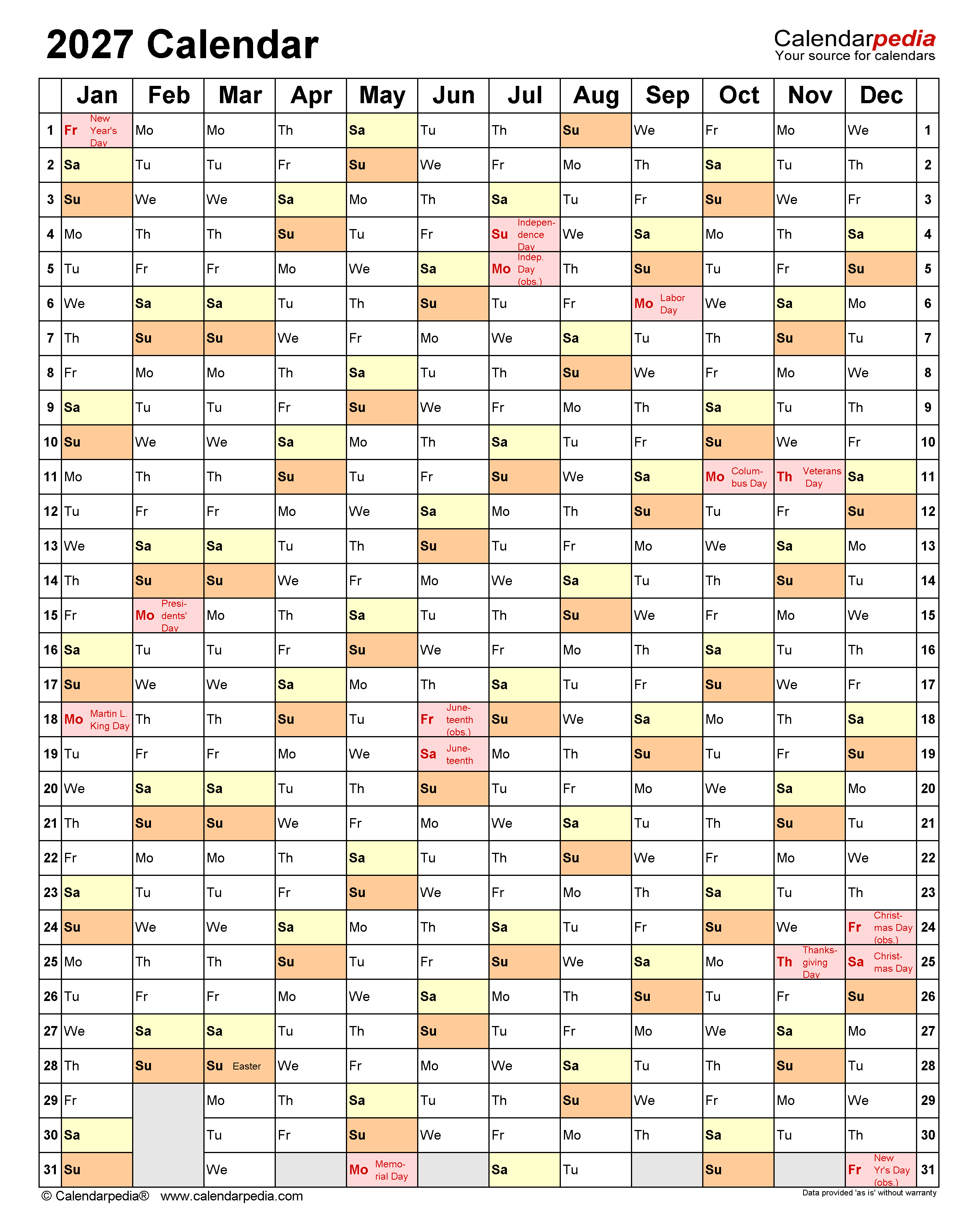
What Makes the Gregorian Calendar Tick in 2027?
The Gregorian calendar isn’t just some random system we inherited. It’s a carefully crafted tool built to keep our dates aligned with Earth’s orbit around the Sun.
2027’s calendar follows the leap year rule strictly: only years divisible by 4 make the cut — except century years, which have their own twist. Since 2027 doesn’t meet that, no leap day.
Leap Year Logic Simplified
Why does this matter? Because adding or skipping a day keeps our seasons from drifting out of sync. Imagine if summer started in February — chaos.
In real-world testing (yep, I’ve tracked project timelines across leap years), skipping leap years can cause subtle shifts in annual planning. 2027’s lack of February 29 keeps things steady.

Practical Tips for Navigating 2027 with Confidence
Let me paint a picture: You’re running a small local brewery with seasonal beer releases tied to holidays. Missing a key date because of calendar quirks? That’s lost sales and confused customers.
Here’s how to avoid that trap in 2027:
- Mark Non-Leap Year Status: Don’t expect February 29. Adjust inventory and events accordingly.
- Plan Around Weekday Alignments: Since the year starts on a Friday, use Fridays and Mondays to your advantage for launches and promotions.
- Use Digital Reminders: Sync your calendar apps early — some defaults might misinterpret the year’s layout if not updated.
- Review Holiday Timing: Expect midweek holidays; plan meetings and days off with that in mind.
These simple steps can save headaches and keep your 2027 running smooth.

Frequently Asked Questions
Is 2027 a leap year?
No, 2027 is not a leap year. It follows the Gregorian calendar rule where only years divisible by 4 are leap years unless they are century years not divisible by 400.
When does 2027 start and end?
2027 starts on Friday, January 1 and ends on Friday, December 31.
How many days are in 2027?
The year 2027 has 365 days.
Are there any unusual date patterns in 2027?
The Friday start means weekends and holidays fall in a way that splits the workweek more than usual, which can affect scheduling.
In sum, the Gregorian calendar in 2027 delivers a steady, reliable year without leap-day surprises. Knowing these details empowers you to plan smarter, whether for business, travel, or personal goals.